
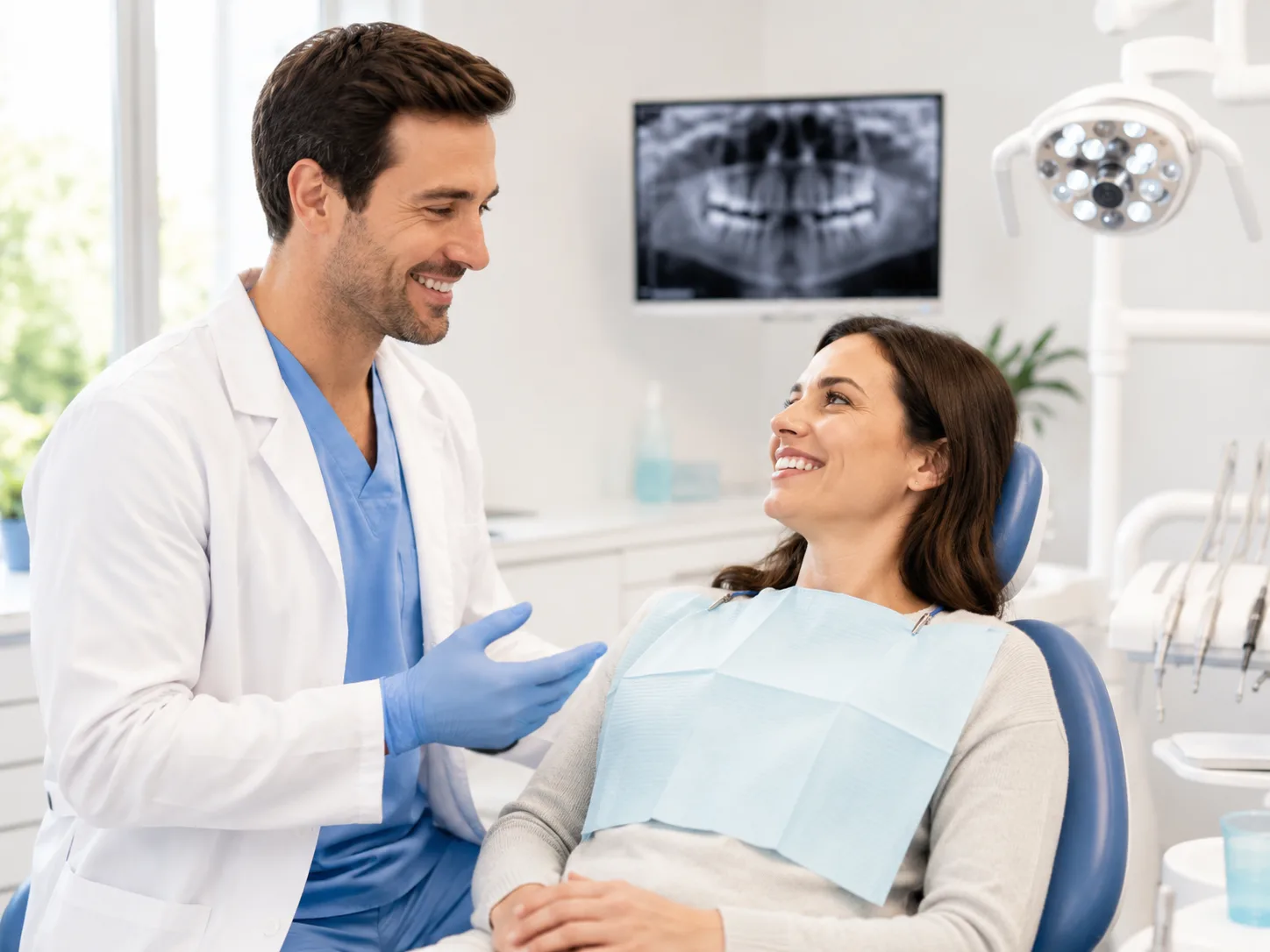
Living with extensive tooth loss can affect much more than a person’s appearance. Loose dentures, damaged teeth, and gaps may make it harder to enjoy meals, speak comfortably, or smile without hesitation. For people looking into All-on-4 in Louisville, KY, modern full-arch dental implant treatment may offer a stable alternative to a traditional removable denture.
All-on-4 treatment uses a small number of strategically positioned dental implants to support a complete row of replacement teeth. Although the idea is straightforward, the treatment must be carefully planned around each patient’s oral health, bone anatomy, medical history, and goals.
This article provides general educational information and does not diagnose dental conditions or determine treatment eligibility. A qualified dental implant clinician should evaluate your individual needs, expected recovery, risks, and treatment options.
What Are All-on-4 Dental Implants?
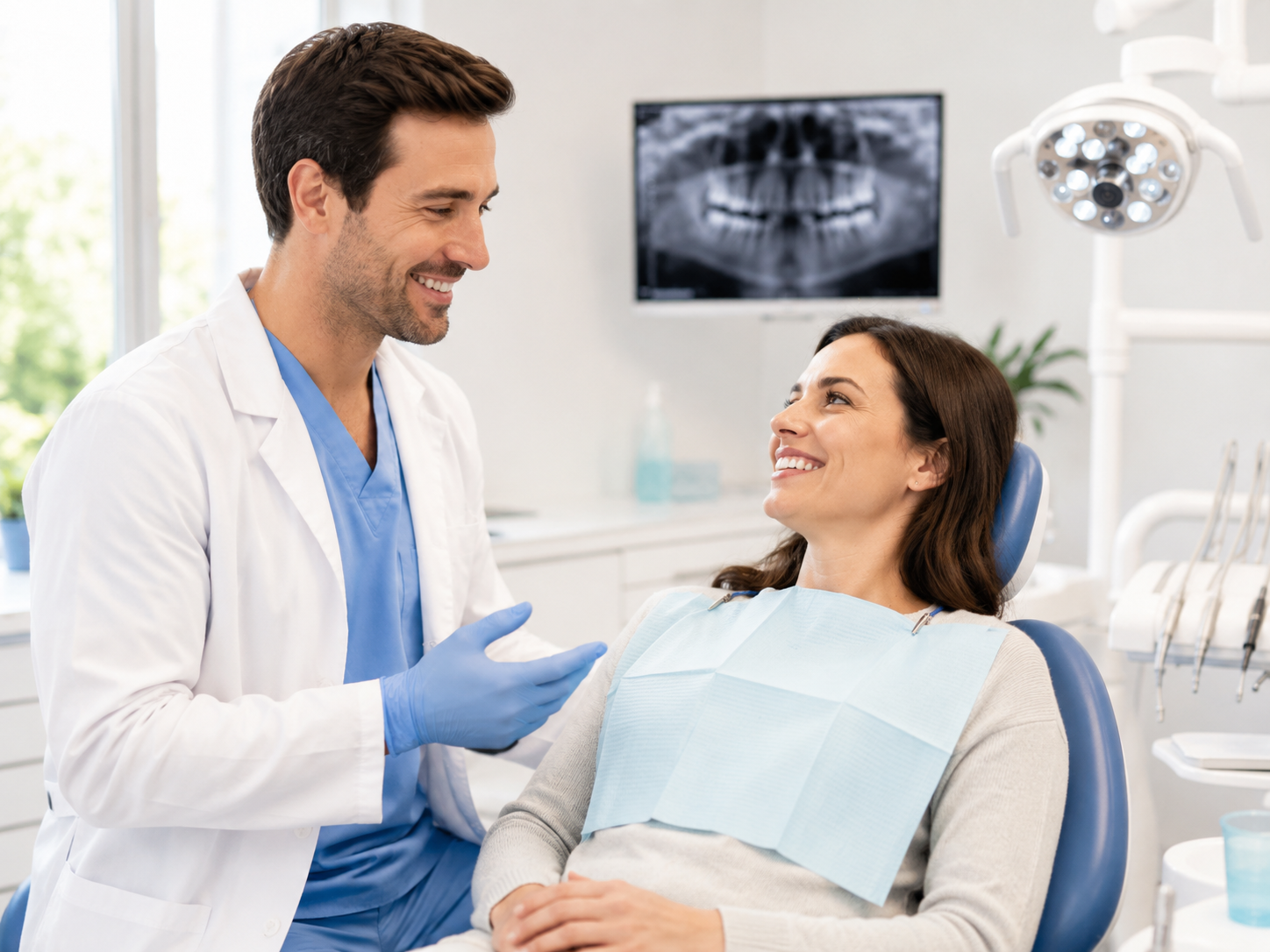
All-on-4 is a full-arch tooth replacement approach. Instead of replacing every missing tooth with its own implant, the dentist places four implants in planned areas of the upper or lower jaw. Those implants support a connected set of replacement teeth.
The back implants may be angled to make better use of available bone and avoid important anatomical structures. However, the exact implant positions—and even the number of implants needed—depend on the individual. “All-on-4” describes a treatment concept, not a guarantee that four implants will be appropriate in every case.
The restoration is designed to remain in place rather than being removed at home each night. A dental professional can remove it when maintenance or repair is necessary.
Who May Be a Candidate for All-on-4?
All-on-4 may be discussed with adults who have lost most or all of their teeth in one arch. It may also be considered when the remaining teeth are severely damaged and a clinician determines that predictable repair is no longer practical.
During an evaluation, the implant team generally reviews:
- The condition of the remaining teeth and gums
- The amount and location of available jawbone
- Current medications and overall medical history
- Past dental treatment and existing restorations
- Smoking or nicotine use
- Daily hygiene habits and willingness to attend maintenance visits
- Goals for comfort, function, appearance, and budget
Three-dimensional imaging may be used to study bone volume and plan implant placement. Published clinical research on full-arch implant rehabilitation describes the use of cone beam computed tomography, or CBCT, to evaluate anatomy and available bone before treatment. View the clinical research.
Having been told elsewhere that there is bone loss does not automatically answer whether someone qualifies. Some patients can use a full-arch approach without extensive grafting, while others may need additional procedures or a different implant design. Only an examination and imaging can provide a meaningful recommendation.
How All-on-4 Treatment Works
1. Consultation and diagnostic planning
The first visit focuses on understanding the patient’s concerns and gathering clinical information. The dentist examines the mouth, reviews health history, and may take digital scans, photographs, X-rays, or 3D images. The team can then explain whether All-on-4, another implant option, or a removable solution appears most appropriate.
2. Personalized smile design
A full-arch restoration needs to do more than fill a space. Its shape, tooth size, bite, and color should work with the patient’s face and jaw movement. Digital planning and diagnostic models can help the team plan both function and appearance before surgery.
3. Implant placement and provisional teeth
When treatment moves forward, any teeth included in the plan may be removed before the implants are positioned. In suitable cases, a provisional fixed restoration can be attached around the time of implant placement. This is sometimes described as “same-day teeth.”
Same-day placement does not mean treatment or healing is complete in one day. Immediate provisional teeth depend on bone quality, implant stability, bite forces, and other clinical findings. If the implants do not have the needed initial stability, the dentist may recommend a different loading plan to protect healing.
4. Healing and final restoration
After placement, the implants undergo osseointegration—the biological process in which bone heals around and connects with the implant surface. Clinical literature distinguishes initial mechanical stability from the later stability created through bone healing and remodeling. Read more about implant stability and osseointegration.
Once healing and bite conditions are considered appropriate, the team can complete or deliver the final restoration. The schedule is individualized; early comfort, gum healing, bone integration, and delivery of the final teeth are separate milestones.
What Recovery May Feel Like
Patients commonly want to know when they will feel normal again. Recovery is easier to understand when it is divided into phases:
- Early symptom recovery: Tenderness, swelling, minor bleeding, and fatigue may occur after implant surgery. The care team provides instructions for medication use, cold packs, rest, and when to call the office.
- Soft-tissue healing: The gums continue closing and adapting after the first discomfort begins to settle. Gentle cleaning is especially important during this stage.
- Osseointegration: Bone healing around the implants continues beneath the surface after the mouth starts feeling better. Patients should not assume that reduced soreness means the implants have finished integrating.
- Final-restoration phase: The team evaluates healing, bite, speech, comfort, and appearance before completing the definitive teeth.
A temporary soft-food plan may be necessary to reduce pressure on healing implants. Patients should follow their own clinician’s instructions rather than testing the new teeth with hard, crunchy, or sticky foods too soon.
Anyone experiencing worsening pain, persistent bleeding, increasing swelling, fever, drainage, or movement in the restoration should contact the treating practice promptly.
Potential Benefits and Important Limitations
For an appropriate candidate, All-on-4 treatment may provide several practical advantages:
- A fixed row of teeth that does not need to be removed nightly
- Greater stability than a conventional removable denture
- A restoration planned to improve chewing, speech, and smile appearance
- Fewer implants than would be needed to replace every tooth individually
- A streamlined full-arch treatment option for certain patterns of tooth loss
However, implant treatment is not maintenance-free or guaranteed to last indefinitely. The restoration still needs thorough cleaning, professional monitoring, and occasional repair or replacement of components. Implant complications can occur, and personal health, hygiene, bite forces, and follow-up care can influence the result.
How to Care for All-on-4 Teeth
Replacement teeth cannot develop cavities, but plaque and inflammation can still affect the gums and bone around dental implants. Home care usually includes brushing the restoration and cleaning beneath it with tools recommended by the dental team. Depending on the design, those tools may include floss threaders, interdental brushes, or a water flosser.
Routine professional visits allow the team to inspect the restoration, evaluate the tissues, review hygiene, and check the bite. Patients who clench or grind may also need a protective appliance. Long-term success depends on treating maintenance as part of the overall treatment—not as an optional extra.
What Affects the Cost of All-on-4 in Louisville, KY?
The cost of full-arch implant treatment varies because each case involves a different combination of services. Factors may include diagnostic imaging, extractions, sedation options, bone procedures, implant components, the provisional restoration, final restoration materials, and follow-up care.
Patients comparing quotes should ask for a written estimate that explains what is included. A lower advertised price may not include every phase of treatment, while another estimate may bundle diagnostics, temporary teeth, and the final restoration.
Dental insurance coverage also varies. The practice can help patients review available benefits, but the insurance company makes the final coverage decision. Financing may be available for qualified applicants.
Questions to Ask During a Consultation
A well-informed patient should feel comfortable asking:
- Why is All-on-4 recommended for this case?
- Are there reasonable alternatives?
- Will the remaining teeth need to be removed?
- Is a provisional fixed restoration possible on the day of surgery?
- What material will be used for the provisional and final teeth?
- What is included in the written fee estimate?
- How should the restoration be cleaned?
- Who should be contacted if a problem occurs after treatment?
The consultation should also include an honest conversation about limitations, expected maintenance, and what happens if the plan changes during treatment.
Frequently Asked Questions
Is All-on-4 the same as dentures?
Both replace a full row of teeth, but they function differently. A conventional denture generally rests on the gums and is removable. An All-on-4 restoration connects to dental implants and is intended to remain in place during everyday use.
Can All-on-4 really be completed in one day?
Some patients can receive provisional fixed teeth around the time the implants are placed. That does not mean bone healing or the entire restorative process is complete. Eligibility for immediate provisional teeth depends on clinical findings and implant stability.
Does everyone need exactly four implants?
No. Four implants may be suitable for many full-arch plans, but anatomy, bone support, bite, and restorative needs can lead a dentist to recommend a different number or type of implant.
Can someone with bone loss qualify?
Possibly. Implant position and available bone must be evaluated with an examination and appropriate imaging. Depending on the findings, the dentist may recommend All-on-4, grafting, another implant approach, or a non-implant alternative.
Are All-on-4 teeth removable?
The patient does not normally remove the restoration at home. A dental professional can remove it when clinical maintenance, repair, or replacement is needed.
How long do All-on-4 implants last?
No clinician can promise a specific lifespan. Longevity varies with healing, health, oral hygiene, smoking or nicotine exposure, bite forces, restoration wear, and attendance at maintenance visits. The implants and attached restoration should also be considered separate components that may have different maintenance needs.
Explore All-on-4 Treatment in Louisville, KY
Choosing full-arch dental implants is a significant decision, but patients do not have to make it without clear guidance. A thoughtful evaluation can explain what is happening in the mouth, compare available options, and outline a plan based on comfort, health, function, and budget.
Advanced Implant Centers provides All-on-4 dental implant consultations in Louisville, KY. Patients who are ready to explore the next step can contact the practice at (502) 268-4840 to schedule a consultation and bring their questions to an experienced implant team.