When a dental emergency strikes, knowing where to turn in Louisville, KY can make all the difference. Whether it’s a severe toothache, a knocked-out tooth, or sudden swelling, quick action is key to preventing further damage. Emergency dental care in Louisville is available to provide prompt treatment, easing pain and protecting your oral health when you need it most.
Local emergency dentists understand that dental issues can happen anytime and are prepared to offer same-day appointments or after-hours care. They focus on gentle, effective treatment to get patients out of pain while explaining options clearly and calmly. This means you can trust expert hands and modern techniques to handle urgent dental problems with care.
Having access to reliable emergency dental care can reduce anxiety and help people feel secure about their dental health. If you’re in Louisville, knowing where to find compassionate, skilled help means you can face any dental emergency with confidence and support.
Not every dental issue calls for a rush to the dentist, but some problems need quick action to avoid lasting damage. Identifying key signs and knowing when to get immediate care can protect both teeth and overall health.
Sudden, severe tooth pain that doesn’t ease with over-the-counter medication is a clear warning sign. Toothaches accompanied by swelling, fever, or bad taste in the mouth often indicate infection needing prompt treatment.
Other red flags include knocked-out teeth, loose permanent teeth, broken or cracked teeth with visible damage, and persistent bleeding after trauma. Difficulty breathing or swallowing stemming from oral injury also demands emergency attention.
Patients should note unusual symptoms like intense sensitivity to hot or cold, or pain when biting, which could signal developing issues requiring timely care to prevent worsening.
Immediate dental care is essential in cases of trauma such as a knocked-out tooth. It’s best to act fast—saving the tooth may depend on receiving care within an hour.
If there is uncontrollable bleeding, or swelling that affects the face or neck, the dentist must be contacted without delay. Signs of spreading infection like fever or pus also require urgent evaluation.
Severe pain that affects eating, sleeping, or daily activities is another urgent reason to visit a dental professional. Waiting could mean more complicated procedures later.
Urgent dental problems typically involve pain, bleeding, infection, or trauma requiring quick intervention. These include broken teeth, abscesses, and knocked-out teeth.
Non-urgent issues might be minor chip repairs, slight sensitivity, or loose fillings without severe pain or swelling. These can usually wait for a scheduled appointment.
Knowing the difference helps patients avoid unnecessary emergency visits while ensuring serious conditions get timely treatment. When in doubt, calling a trusted dentist for advice is the best step.
Quick and calm action can make a big difference in a dental emergency. Knowing exactly what to do right away helps reduce pain, prevent infection, and increase the chances of saving teeth.
Severe tooth pain often signals an urgent issue like infection or nerve damage. The first step is to rinse the mouth gently with warm water to clean the area. Avoid placing aspirin or other painkillers directly on the gums; this can cause tissue damage.
Applying a cold compress to the outside of the cheek can reduce swelling and numb pain. Over-the-counter pain medication, such as ibuprofen, can help manage discomfort until a dentist is seen.
If the pain follows an injury, avoid chewing on the affected side. Contacting a Louisville emergency dental clinic promptly is important to address the cause and prevent complications.
If a tooth breaks, save any pieces and rinse them gently with water if dirty. For a knocked-out tooth, handle it only by the crown (the visible part), not the root.
Rinse the tooth carefully without scrubbing. If possible, try to place the tooth back into its socket. If that’s not possible, keep it moist by storing it in milk or a tooth preservation kit.
Act quickly and go to a dentist within one hour. The sooner treatment starts, the better the chances of saving the tooth and avoiding infection.
Swelling after dental trauma or infection needs immediate attention. Apply a cold compress for 10 to 15 minutes several times an hour to keep swelling down. Avoid heat, which can increase inflammation.
For bleeding, use a clean gauze pad or cloth and apply gentle pressure directly to the area. Keep the head elevated to reduce blood flow. If bleeding does not stop within 15 to 20 minutes or is heavy, seek emergency dental care without delay.
Watch for signs of infection like increasing redness, heat, or pus, and report them during your dental visit.
Emergency dental care in Louisville has evolved to provide fast, effective relief and restoration. Whether the concern is sharp pain, a broken tooth, or a growing infection, dentists use targeted treatments to handle each issue with care and precision. Treatments focus on easing discomfort quickly, repairing damage, and stopping infections before they worsen.
Pain from dental emergencies can be intense and disabling. Louisville dentists often begin treatment with immediate pain management, using methods like local anesthesia to numb the area quickly. Over-the-counter pain relievers such as ibuprofen or acetaminophen are commonly recommended for home use after the initial visit.
In more severe cases, prescription medications may be provided for short-term relief. Many clinics also employ topical gels or rinses to soothe inflamed gums or sensitive teeth. These pain relief options aim to reduce discomfort while treating the underlying problem, helping patients feel at ease throughout their care.
Teeth that are chipped, cracked, or knocked out require quick and expert attention to prevent further damage. Louisville emergency dentists typically assess the injury and choose from treatments such as dental bonding, crowns, or veneers to restore appearance and function.
For lost teeth, reimplantation is an option if the tooth is recovered and handled properly. When this isn’t possible, bridges or dental implants might be recommended. All treatments are designed to be as minimally invasive as possible, with a focus on restoring chewing ability and a natural look.
Dental infections and abscesses need prompt care to stop bacteria from spreading and causing serious health issues. In Louisville, dentists often perform drainage of abscesses to relieve pressure and pain immediately.
Antibiotics are commonly prescribed to control infection, paired with root canal therapy if the tooth pulp is infected. In severe cases, extraction of the affected tooth might be necessary. Follow-up care usually involves monitoring and preventive measures to avoid recurrence, keeping patients safe and healthy.
Emergency dental visits can feel overwhelming, but Louisville dentists take deliberate steps to ease stress and pain quickly. From the first phone call to treatment in the office, their focus remains on making patients feel heard, safe, and cared for.
When a patient calls with a dental emergency, Louisville dentists often prioritize immediate attention. Receptionists and staff listen carefully to symptoms, offer clear instructions, and schedule urgent appointments without delays.
During this initial contact, staff may advise on pain management techniques like cold compresses or over-the-counter medications to ease discomfort. This early guidance helps reduce anxiety before the patient arrives.
Dentists also recognize the emotional impact of dental pain or injury. They respond with empathy and reassurance, emphasizing that the patient’s well-being is their top priority. This approach builds trust before any treatment begins.
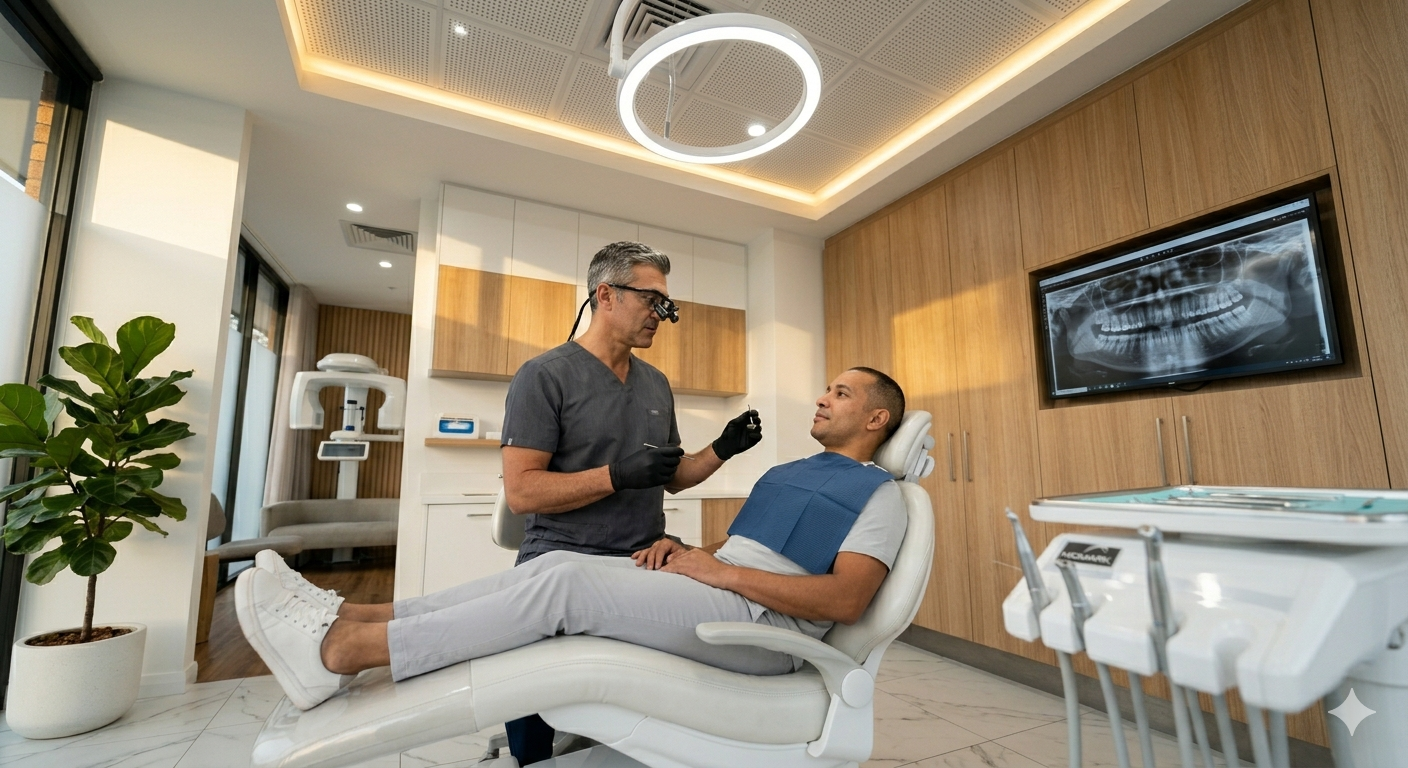
In the clinic, local dentists design treatment spaces to feel inviting and less clinical. Soft lighting, comfortable chairs, and relaxing music help reduce tension during emergency procedures.
Dentists explain each step of the treatment clearly, so patients know what to expect. This transparency reduces fear associated with uncertainty.
They often use gentle techniques and local anesthesia tailored to minimize discomfort. For those experiencing anxiety, some offices offer sedation options to keep patients relaxed throughout care.
Staff members consistently check in on patient comfort during treatment, encouraging breaks if needed. This ongoing communication helps patients feel supported from start to finish.
Taking steps to protect teeth daily and staying consistent with dental care lowers the chance of sudden emergencies. Simple habits and routine visits catch problems early. Families also benefit from targeted strategies that keep smiles safe through all ages.
Brushing twice a day with fluoride toothpaste helps remove plaque that can cause decay and infections. Flossing daily reaches the spots your brush misses, preventing gum disease and tooth loss, two common triggers for emergencies.
Avoid chewing ice, popcorn kernels, or hard candies—these can crack or chip teeth unexpectedly. Wearing a mouthguard during sports prevents injuries from impact. Staying hydrated supports saliva production, which naturally defends against bacteria.
Cutting back on sugary and acidic drinks reduces enamel erosion, strengthening teeth against breaks and sensitivity. Keeping dental tools like a toothbrush clean also helps maintain oral health and avoid issues that could require urgent care.
Routine dental exams in Louisville provide early detection of cavities, cracks, or infections before they worsen into emergencies. Dentists can spot subtle changes that patients might miss, ensuring timely intervention.
Professional cleanings remove hardened tartar buildup, lowering the risk of gum disease and abscesses. X-rays taken during visits reveal hidden problems such as impacted teeth or jawbone infections.
Scheduling visits every six months builds a detailed dental history. That information guides personalized advice and treatments to reinforce oral health, minimizing emergency visits and improving overall comfort.
Teaching kids to brush properly by age two helps form lifelong habits to prevent decay and injury. Parents should supervise young children’s brushing to ensure effectiveness and safety.
Using fluoride treatments and dental sealants provides extra protection against cavities, especially in molars where food tends to get stuck. Scheduling children’s dental visits early builds comfort with the dentist and creates a proactive health routine.
Encouraging helmets and mouthguards for active children guards against accidents. Emphasizing a balanced diet low in sugar also supports stronger teeth and gums, lowering emergency risk in growing mouths.
Navigating payment for emergency dental care can be stressful, especially in unexpected situations. Patients benefit from knowing how insurance typically handles urgent procedures and what options exist when insurance isn’t available.
Most dental insurance plans cover emergency visits, but the specifics can vary widely. Commonly covered treatments include pain relief, tooth extractions, or infection control. However, some plans limit coverage to immediate treatment only, excluding follow-up care or restorative work.
Patients should review their policy or contact their insurer directly to confirm coverage details before or after an emergency visit. Many providers in Louisville accept major insurance plans, and verifying accepted insurance ahead helps avoid surprises.
Sometimes, deductibles and co-pays apply even in emergencies. Understanding these potential out-of-pocket costs enables better financial planning while receiving urgent care.
For those without dental insurance, many Louisville emergency dentists offer flexible payment methods. These may include sliding scale fees, payment plans, or reduced rates for specific urgent treatments.
Dental discount plans are another option, providing lower prices on emergency services for an annual fee. Patients can ask local offices about such plans to reduce expenses.
In some cases, community clinics or dental schools provide emergency care at a lower cost. These alternatives can make urgent dental care accessible without insurance.
Discussing payment options upfront ensures patients feel supported during stressful dental emergencies.
Finding the right emergency dentist means knowing what makes a practice reliable and what questions to ask to feel confident before you arrive. This helps ensure quick, effective care when you need it most.
A trustworthy emergency dental provider in Louisville prioritizes patient comfort and clear communication. They offer extended hours or 24/7 availability, so you won’t have to wait long during an emergency.
Look for professional credentials like ADA membership and board certification. Modern equipment and updated treatment techniques show they keep up with dental advances. Friendly staff and a clean facility help reduce anxiety in stressful moments.
Experience with a variety of emergencies, from toothaches to knocked-out teeth, is crucial. Also, transparent pricing and insurance policies give peace of mind before treatment begins.
Before visiting, call the office to ask about their emergency services. Confirm they accept your insurance or offer affordable payment plans.
Inquire about how soon you can be seen and if they provide same-day appointments. Ask about the types of emergencies they handle and if sedation or pain control options are available.
It helps to know their follow-up care process. Will they offer a treatment plan for ongoing dental health after the emergency is addressed? Clear answers ensure you feel prepared and supported through your visit.
When someone faces a dental emergency in Louisville, KY, the first priority is to stay calm and contact a trusted emergency dentist as soon as possible. Immediate care can prevent further damage and reduce pain.
If the injury involves a knocked-out tooth, it’s important to handle it carefully. Rinse the tooth gently, avoid scrubbing, and place it back in the socket if possible, or keep it in milk while heading to the dentist.
Louisville has several options for emergency care, including clinics that offer same-day appointments and extended hours. Patients can call ahead to describe their symptoms and confirm availability.
Support doesn’t stop at treatment. Many dentists in the area offer follow-up visits and guidance on proper home care, helping patients heal comfortably. They also answer questions about pain management and what to expect during recovery.
Here’s a simple checklist for anyone seeking emergency dental care in Louisville:
| Step | Tip |
|---|---|
| Call the emergency line | Explain the issue and confirm prompt help |
| Manage pain carefully | Use over-the-counter pain relief if advised |
| Preserve affected item | Store knocked-out teeth properly |
| Follow care instructions | Listen closely to dentist’s aftercare advice |
Encouraging patients to seek support early can make a big difference in outcomes. If there’s any doubt about the severity of the dental problem, it’s best to get professional advice right away.
Emergency dental situations can be stressful, but knowing what to do right away helps make things easier. It’s important to understand when to seek care, how to manage pain at home, and the options for treatment and payment in Louisville.
Rinse your mouth gently with warm salt water to reduce bacteria and soothe irritation. Over-the-counter pain relievers can help manage discomfort until you see a dentist.
If swelling is severe or you have difficulty breathing or swallowing, seek emergency medical care immediately.
Most urgent dental clinics in Louisville recommend calling ahead to confirm availability. Some clinics accept walk-ins, but calling ensures they can accommodate your emergency promptly.
Go to the ER if you experience severe facial trauma, uncontrollable bleeding, or signs of a spreading infection like fever or difficulty breathing. For most toothaches and dental injuries, an urgent dental clinic is the better choice.
Many emergency dentists in Louisville can perform extractions the same day you arrive, sometimes within hours. Expect a quick consultation, local anesthesia, and post-care instructions for a smooth recovery.
Yes, some Louisville urgent dental clinics accept Medicaid and provide flexible payment plans. It’s best to ask when you call to verify your coverage and payment choices.
Keep a knocked-out tooth moist by placing it in milk or saline solution. If it’s dirty, rinse it gently without scrubbing. For a chipped tooth, avoid chewing on that side and apply a cold compress to reduce swelling.