Dental emergencies can happen at any time, often when least expected. Whether it’s a sudden toothache, a knocked-out tooth, or sharp pain, knowing where to find reliable emergency dental care in Louisville, KY, is essential.
An emergency dentist in Louisville, KY, provides prompt care to relieve pain, prevent further damage, and restore your smile quickly. These dental professionals understand the stress and discomfort that come with urgent issues and offer flexible hours and expert treatments to ease those worries.
If a dental crisis strikes, having access to a trusted emergency dentist can make all the difference. They focus on patient comfort and use modern techniques to handle problems efficiently, helping patients get back to feeling their best.
Knowing the difference between urgent dental issues and non-emergencies can help patients act quickly and avoid unnecessary worry. Identifying the right signs to watch for ensures timely treatment and better outcomes. Some symptoms demand immediate care, while others can wait for a scheduled visit.
Severe tooth pain that doesn’t improve with over-the-counter painkillers often signals a serious problem. Swelling of the face or gums, especially if accompanied by fever, may indicate an infection requiring prompt attention.
Other urgent signs include a knocked-out tooth or a tooth that has been fractured or broken. Bleeding that won’t stop after 15 minutes despite applying pressure should also be treated as an emergency.
Signs like persistent bad taste, swelling near the jaw, or difficulty swallowing can be related to abscesses, which need immediate dental care to prevent complications.
Immediate dental care is necessary when there is uncontrolled bleeding, severe pain, or visible damage to the teeth or mouth. For example, if a permanent tooth is knocked out, it should be placed back in the socket quickly, or kept moist and brought to the dentist right away.
Also, difficulty breathing or swallowing after a dental injury requires urgent medical and dental evaluation. Sudden and severe swelling on the face or neck may block airways and should never be ignored.
Sharp tooth fragments causing cuts inside the mouth need urgent smoothing or removal to prevent further injury and infection.
Mild tooth sensitivity or minor discomfort from braces or dental appliances usually does not require emergency care. Slight bleeding after brushing or flossing is common and can be addressed during a regular checkup.
Routine issues like a loose filling, mild gum inflammation, or cosmetic concerns can wait for a scheduled appointment. Teeth grinding discomfort or a dull ache that comes and goes also typically doesn’t require immediate intervention.
Patients should understand that not every pain means emergency treatment; distinguishing urgent from non-urgent helps reduce stress and ensures proper use of emergency dental services.
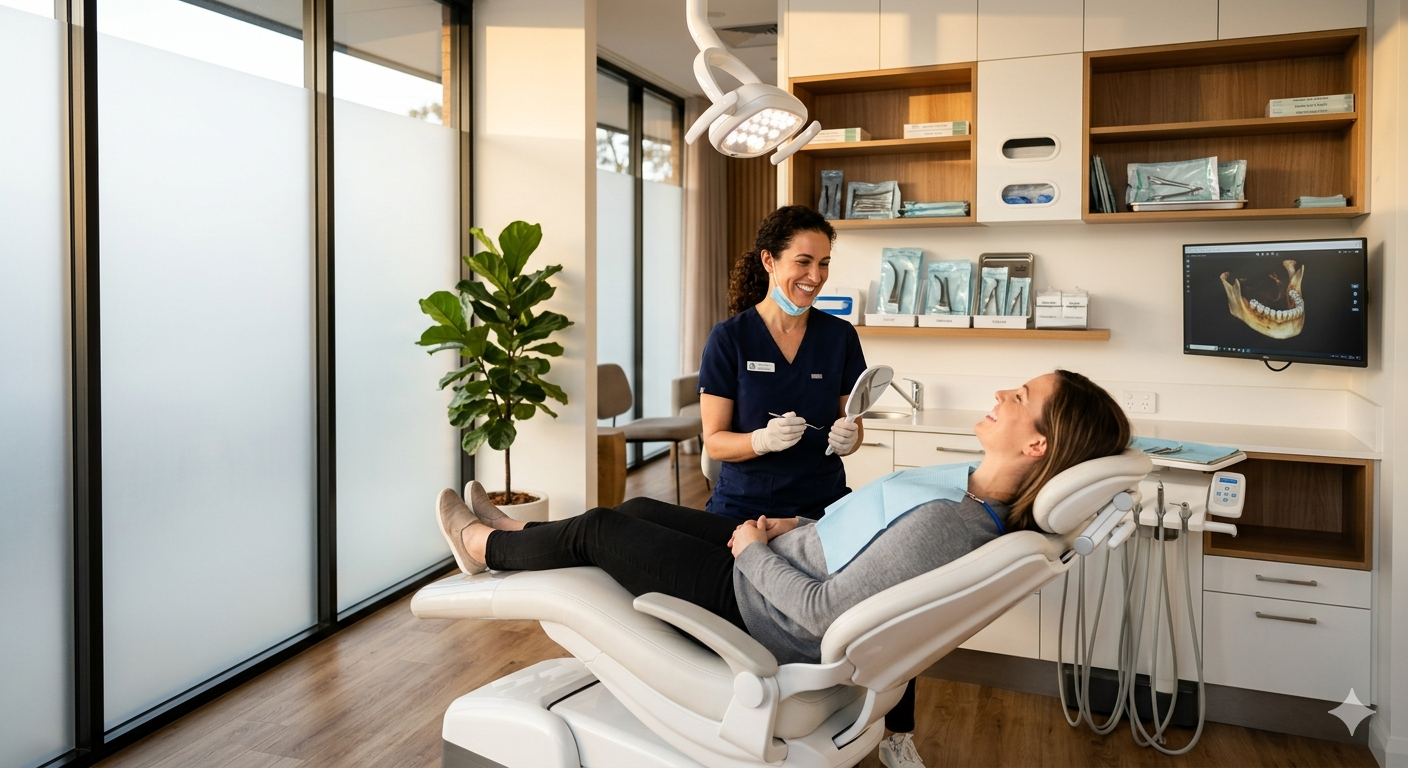
When someone schedules an emergency dental visit in Louisville, the process is designed to be fast, thorough, and focused on relieving pain. The dental team prioritizes urgent care, evaluates the problem carefully, and uses treatments that provide quick comfort and long-term solutions.
Emergency dental offices in Louisville usually reserve special time slots specifically for urgent cases. Upon arrival, the patient’s situation is assessed quickly through a brief interview about symptoms and dental history. This helps the dentist determine the severity and urgency of the problem.
The staff often asks about pain level, any recent injuries, and whether the patient has any allergies or medical conditions. This information prepares the dentist to offer the safest and most effective treatment. Emergency visits aim to reduce waiting times so patients get relief without unnecessary delays.
Once the patient is seen, the dentist performs a focused examination of the affected area. This often includes digital X-rays or other imaging to identify fractures, infections, or tooth loss. Clear communication about what’s found helps patients understand their condition.
Treatment depends on the diagnosis but may include options like draining an abscess, placing a temporary filling, or even extracting a tooth if it’s severely damaged. The dentist explains each step before starting, ensuring the patient feels comfortable and informed. Follow-up care plans are also scheduled if needed to complete recovery.
Dentists prioritize patient comfort from the moment of arrival. Local anesthesia is commonly used to numb the area so treatments are pain-free. Some offices offer sedation options for those with anxiety or severe pain.
They also provide recommendations for over-the-counter pain medication or prescribe stronger drugs if necessary. Gentle communication throughout the visit helps patients feel supported. After treatment, clear instructions on how to manage discomfort at home are shared to make healing smoother.
Dental pain can strike suddenly and intensely, making it difficult to think clearly. Knowing how to ease discomfort before professional care helps patients manage symptoms and protect their teeth.
When pain starts, applying a cold compress to the outside of the cheek reduces inflammation and numbs the area. This should be done for 15-minute intervals with breaks to avoid skin damage. Over-the-counter pain relievers like ibuprofen are effective for controlling pain and swelling but should be taken as directed.
Avoid placing aspirin directly on the gums; it can cause burns. Saltwater rinses help clean the mouth and reduce irritation. Use about half a teaspoon of salt in eight ounces of warm water, rinsing gently for a few seconds. Patients should avoid very hot or cold foods, as temperature extremes can worsen sensitivity temporarily.
If swelling occurs, elevating the head while resting can prevent blood from pooling, reducing pressure and throbbing. Applying a cold compress intermittently also helps control swelling. When bleeding happens, biting down on a clean gauze pad firmly for 10 to 15 minutes usually stops it.
If bleeding continues beyond 20 minutes or is heavy, seeking emergency dental care is necessary. Avoid rinsing vigorously during bleeding as this can disrupt clot formation. Patients should also avoid straws and spitting to protect healing tissue and prevent dislodging blood clots.
It is important to avoid chewing on the side of the pain to prevent worsening any injury. If a tooth is cracked or chipped, eating soft foods like yogurt or soup can reduce irritation. Patients should not attempt to fix or push a loose tooth back into place.
Keeping the mouth clean with gentle brushing is critical to prevent infection but avoid the affected area if it causes severe pain. Smoking and alcohol should be avoided, as they can slow the healing process. Taking these steps can protect the tooth until professional treatment is available.
Emergency dental care in Louisville covers a variety of urgent situations that demand quick, practical solutions. These treatments focus on relieving pain, preventing further damage, and restoring oral health promptly.
When a tooth breaks or gets knocked out, immediate action is crucial. For a broken tooth, the dentist will clean the area and may smooth rough edges to prevent cuts. If the break is severe, they might use bonding, crowns, or veneers to restore the tooth’s shape and function.
In the case of a knocked-out tooth, time is critical. Keeping the tooth moist—ideally in milk or saliva—can increase the chances of successful reimplantation. The dentist will clean the tooth and socket before carefully placing the tooth back. Quick response preserves the natural tooth and reduces the need for implants or dentures later.
Toothaches often signal an infection or decay that demands emergency care. The dentist will examine the tooth and may take X-rays to identify abscesses or deep cavities. Treatment usually involves removing infected tissue, draining abscesses, and prescribing antibiotics if necessary.
Pain relief is a priority, so local anesthesia or medications might be administered to make patients comfortable during procedures. Root canal therapy is a common treatment when the inner pulp is infected, helping save the tooth and stop the spread of infection.
Losing a filling or crown can cause sensitivity, discomfort, and increased risk of decay. The dentist often starts by cleaning the exposed area to prevent infection. Temporary materials may be used to protect the tooth until a permanent restoration is ready.
For crowns, re-cementing is possible if the original crown is intact. Otherwise, a new crown might need to be fabricated. Lost fillings are typically replaced during the same emergency visit, restoring function and preventing further damage.
Finding an emergency dentist in Louisville means focusing on qualities that ensure quick, effective care. It also involves considering how close the office is and when it’s open, especially during unexpected dental issues. Understanding what after-hours options exist locally can make all the difference in a stressful moment.
A good emergency dentist in Louisville should combine skill with a calm, reassuring approach. Patients often seek dentists with experience in urgent dental care, capable of handling anything from severe toothaches to knocked-out teeth with confidence. Look for professionals who use up-to-date technology, which can speed diagnosis and treatment, improving comfort and results.
Patient reviews and recommendations matter here. Friendly staff, clear communication, and flexible payment options help ease stress during emergencies. A dentist who prioritizes patient comfort—using gentle techniques and effective pain management—stands out. Confirm the dentist’s credentials and affiliations with recognized dental organizations for added trust.
In emergencies, minutes count. Choosing a dentist close to home or work in Louisville can reduce stress and prevent worsening symptoms caused by delays. Easy access to parking and public transit options makes getting there faster and simpler, especially during a dental crisis.
Availability is another key factor. Emergency dental issues don’t keep business hours. Practices offering extended hours, same-day appointments, or walk-in options provide critical flexibility. Knowing which Louisville dentists are open late or weekends can save time and pain. Confirm how they manage after-hours calls or emergencies, so the patient never feels stuck without support.
Louisville offers a range of after-hours dental care services, from urgent care clinics to on-call dentists specializing in emergencies. Some dental offices partner with local hospitals or urgent care centers to provide coordinated care outside normal hours. This connection can be vital for complex cases needing immediate attention.
Many emergency dentists provide phone triage to assess the situation and advise next steps before in-person visits. This helps prioritize cases and ensure timely treatment. Patients should ask about fees for after-hours care, as some providers charge more for off-time services. Knowing these details ahead of time prepares one for smooth, prompt emergency treatment.
Taking steps to protect your teeth can reduce the chances of unexpected pain or damage. Simple habits at home, regular visits to the dentist, and specialized protective devices all play a role in keeping your smile safe.
Regular dental exams help catch problems before they become emergencies. During these visits, dentists spot early signs of decay, gum disease, or structural issues that might otherwise lead to sudden pain or tooth loss.
Professional cleanings remove plaque and tartar buildup that brushing can miss, reducing the risk of cavities and infection. Dentists can also update patients on any changes in oral health and recommend timely treatments.
These checkups are typically scheduled every six months but can be more frequent for those with specific concerns. Routine care creates a safety net against severe dental problems.
Brushing twice a day with fluoride toothpaste and flossing daily remain essential habits. Using a soft-bristled toothbrush and proper technique prevents enamel wear and gum irritation.
Avoiding hard foods like ice or unpopped popcorn kernels lowers the risk of cracked teeth. Cutting back on sugary snacks and drinks helps prevent cavities.
If you play sports, wearing a mouthguard is crucial. Also, avoid using teeth to open packages or bite non-food items, as this can cause chips or breaks.
Maintaining hydration supports saliva flow, which naturally protects teeth against decay.
Custom-fitted mouthguards provide better protection than generic versions because they conform exactly to your teeth. They cushion impacts during sports, preventing fractures and soft tissue injuries.
Nightguards protect against teeth grinding (bruxism), which can wear down enamel, cause jaw pain, and lead to cracks over time. A dentist can evaluate your bite and design a device to keep your teeth aligned and safe while sleeping.
Both devices are comfortable, durable, and tailored to each patient’s mouth. Using these guards regularly can significantly reduce emergency visits caused by trauma or grinding damage.
Many patients feel anxious about emergency dental visits, especially when pain or unexpected issues arise. Dental offices in Louisville understand this and prioritize creating a calming environment that eases nerves from the moment patients walk in.
Techniques like gentle communication and clear explanations help patients feel more in control. Dentists take time to listen carefully to concerns and answer questions, making the experience less intimidating.
Some offices offer comfort aids such as:
These small touches can make a big difference for those feeling uneasy.
Additionally, options like sedation dentistry are available for patients with severe anxiety. Sedatives can range from mild oral medications to nitrous oxide (“laughing gas”), which help reduce fear without putting patients fully to sleep.
The goal is to combine expert emergency care with emotional support. This way, patients get the relief they need while feeling safe and respected throughout their visit.
If anxiety has held someone back from getting urgent dental help, these practices aim to change that experience for the better. Scheduling a consultation to discuss fears and options can be a helpful first step.
When dental emergencies happen, knowing where to turn can ease a lot of stress. In Louisville, KY, many clinics offer after-hours or same-day appointments specifically for urgent dental needs. This means help is often closer than you might think.
Local dental offices and urgent care centers typically provide quick access to trained professionals. Many dentists have emergency phone lines, ready to guide patients through what to do before arriving. It’s a good idea to save these numbers in your phone ahead of time.
Community resources such as health departments or dental schools may also offer emergency services or referrals. These can be budget-friendly options, especially for those without dental insurance. Checking online or calling ahead helps find the most suitable care nearby.
Keep these tips in mind when seeking emergency dental care:
Feeling prepared can reduce anxiety and improve the overall experience. Encouraging people to reach out early avoids complications. It’s always better to ask questions and seek care than wait in pain.
Knowing how to respond quickly to sudden tooth pain can reduce discomfort and prevent further damage. Understanding what counts as a true emergency helps people decide when to seek immediate care and when to wait. Access to urgent dental treatment varies, but there are options to get prompt help in Louisville.
Rinse your mouth gently with warm water to clean the area. Avoid placing aspirin or any medication directly on the gums, as this can cause irritation. Apply a cold compress to your cheek to reduce swelling and elevate your head when lying down to ease pressure.
If the pain is severe, persistent, or comes with swelling, fever, or difficulty swallowing, it’s likely an emergency. Mild discomfort or sensitivity usually can wait for a regular appointment. Any injury causing a knocked-out tooth or loose tooth also needs immediate attention.
Hospitals can provide pain relief and treat infections that threaten general health. However, they typically do not offer dental treatments like extractions or fillings. Visiting an emergency dentist is better for managing dental-specific issues.
Many emergency dentists in Louisville offer same-day or next-day appointments for urgent extractions. During the visit, the dentist will numb the area, remove the tooth, and provide care instructions. Follow-up may be necessary to monitor healing and prevent infection.
Several Louisville dental clinics have flexible hours and accept walk-ins for emergencies. Some offices open on weekends and evenings to accommodate urgent cases. Calling ahead can confirm availability and reduce wait time.
Many Louisville dentists accept Medicaid for emergency visits. Community health centers often provide timely urgent care regardless of insurance. It’s best to contact local providers directly to understand coverage and scheduling options.